
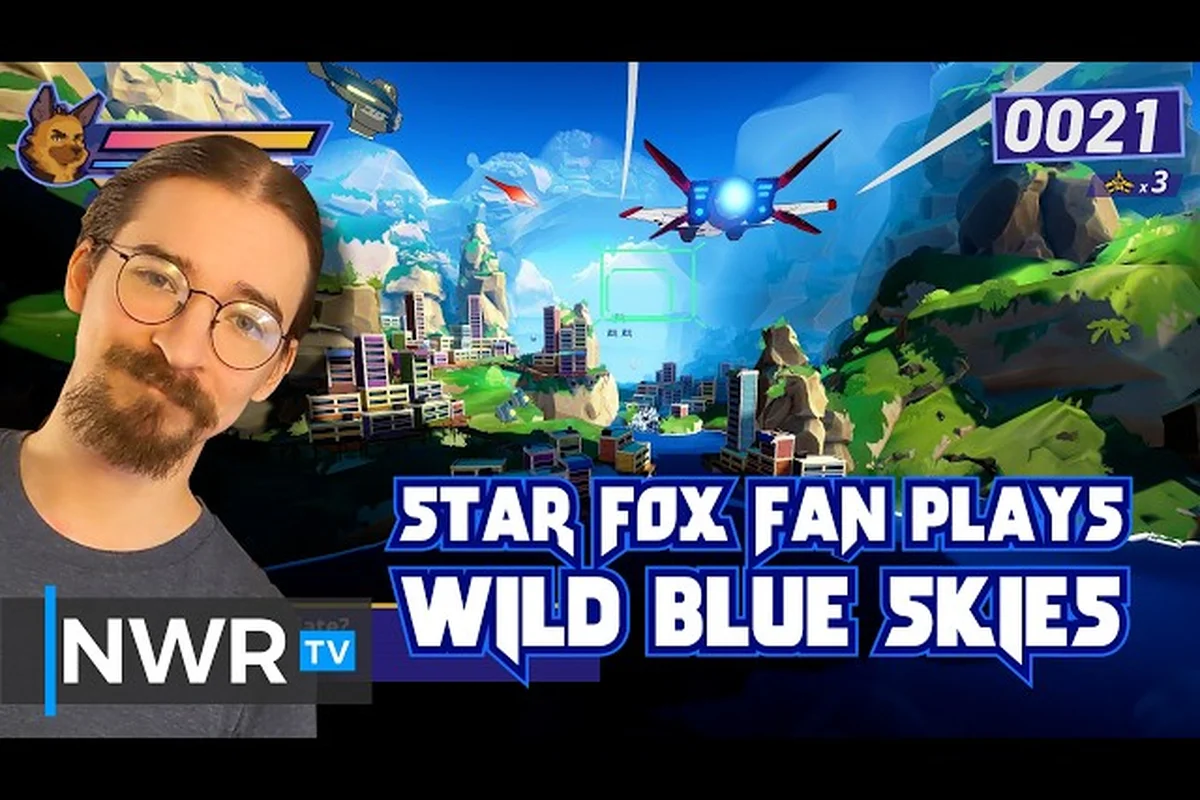
Wild Blue Skies settings for high end PC are surprisingly easy to dial in, even though the game hides some of its best visual options behind a few non-obvious toggles. Because this rail shooter runs on a custom engine built for smooth 60 FPS gameplay, your hardware can push far beyond the default presets without sacrificing stability. Getting the right combination of resolution scaling, frame pacing, and audio processing makes the difference between a good-looking run and a truly stunning one.
The game's Steam page confirms that Wild Blue Skies is designed as a retro-inspired arcade experience with a focus on replayability, and the community has already mapped out which settings matter most for high-end rigs. While the minimum specs are modest, owners of RTX 40-series cards or Radeon RX 7000-series GPUs have plenty of headroom to unlock every visual bell and whistle. This guide walks through the complete settings menu, explains what each option actually does under the hood, and provides a recommended configuration for maximizing image quality while keeping frame times rock solid.
Understanding the Wild Blue Skies settings for high end PC Menu Structure
The options menu in Wild Blue Skies is divided into three main tabs: Display, Graphics, and Audio. Each tab contains a handful of toggles and sliders that directly affect how the game looks and sounds on your machine. Because the game targets 60 FPS as its baseline, the settings for high end PC builds are designed to scale upward from that target rather than chase uncapped frame rates.
| Settings Tab | Key Options | Impact on High-End Hardware |
|---|---|---|
| Display | Resolution, Refresh Rate, VSync, HDR | Determines output clarity and frame pacing |
| Graphics | Texture Quality, Shadow Resolution, Post-Processing | Controls the bulk of visual fidelity |
| Audio | Dynamic Range, Sample Rate, Voice Mix | Affects immersion and positional awareness |
The Display tab handles output-related settings, including the resolution scaler that lets you render above your monitor's native resolution. The Graphics tab contains the heavy hitters like texture filtering and shadow quality. The Audio tab includes a surprisingly deep set of options that can affect CPU load on older processors.
One important detail that many players miss on the first boot is that the game defaults to a 60 Hz refresh rate even if your monitor supports 120 Hz or 144 Hz. This is a deliberate choice by the developer to ensure consistent frame pacing on console hardware, but on PC you can safely raise it. The Steam community hub has multiple threads confirming that the game handles high refresh rates without introducing physics glitches or animation issues, which is a common problem in other rail shooters.
Resolution Support and Scaling Options for High-End Rigs
Wild Blue Skies resolution support is more flexible than most games in its genre, offering everything from 720p all the way up to 8K on capable hardware. The built-in resolution scaler is particularly useful for players who want to push beyond their monitor's native resolution using techniques like DLDSR or Virtual Super Resolution.
| Resolution Setting | Best For | GPU Load |
|---|---|---|
| 1080p Native | Entry-level high-end cards | Low |
| 1440p Native | RTX 3070 / RX 6800 class | Moderate |
| 4K Native | RTX 4080 / RX 7900 XTX class | High |
| 4K + 150% Scale | RTX 4090 / RX 7900 XTX | Very High |
The resolution scaler works by rendering the game at a percentage of your chosen resolution, then upscaling to fit your display. Setting it above 100% effectively supersamples the image, which produces crisper textures and reduces aliasing on edges. Community testing suggests that a 150% scale at 1440p looks nearly identical to native 4K while using significantly less GPU memory.
For players with 4K displays, the game's TAA implementation does an excellent job of smoothing edges without the blurriness that plagues many modern titles. However, if you prefer a sharper image, you can disable TAA and rely on the resolution scaler instead. This combination works particularly well on high-end cards because the extra rendering resolution compensates for the lack of temporal smoothing.
The game also supports ultrawide resolutions up to 5120x1440, though the HUD elements remain fixed at 16:9. Some players report that the expanded field of view makes it easier to track enemy projectiles, while others find the stretched side areas distracting. The choice ultimately comes down to personal preference, but the option is there for those who want it.
Graphics Quality Presets and Individual Toggle Breakdown
Frame Pacing Behavior of the Triple-Buffer VSync Option
The Triple-Buffer VSync toggle in Wild Blue Skies operates differently from standard implementations. While the game's on-rails camera movement benefits from consistent frame delivery, enabling triple buffering adds roughly one additional frame of input latency—approximately 16.7ms at 60 FPS—compared to double buffering. For high-end rigs sustaining 120+ FPS, this latency is imperceptible during barrel rolls and boost maneuvers. However, during the Arid Canyon chase sequence where rapid target acquisition matters, players with 240Hz displays should disable triple buffering and rely on the game's native frame limiter instead. The Steam Community Hub reports smoother medal runs with this configuration.
Texture Quality Preset Impact on VRAM Utilization
The Texture Quality preset in Wild Blue Skies demonstrates significant VRAM scaling across its four tiers. Low uses approximately 2GB, Medium 3GB, High 4GB, and Ultra 6GB of VRAM. The Ultra preset enables 4K-resolution textures for the game's hand-painted environments, particularly visible on the carrier deck interiors and canyon rock formations. However, the Steam reviews highlight that High preset delivers visually identical results on most displays due to the game's stylized art direction. Players with 8GB GPUs should note that the Ultra preset, combined with 4x MSAA, can exceed 7GB VRAM during the desert fortress assault, potentially causing texture streaming hitches on 6GB cards like the RTX 2060.
The Graphics tab offers four quality presets — Low, Medium, High, and Ultra — but the real control comes from the individual toggles beneath them. Each setting can be adjusted independently, which means you can mix and match to find the perfect balance for your specific hardware configuration.
| Graphics Setting | Ultra Setting | Performance Cost | Visual Benefit |
|---|---|---|---|
| Texture Quality | 4K Anisotropic | Low | Sharper surface detail |
| Shadow Resolution | 4096x4096 | Medium | Crisper shadow edges |
| Volumetric Lighting | High | High | Atmospheric god rays |
| Post-Processing | Cinematic | Low | Color grading and bloom |
| Anti-Aliasing | TAA + FXAA | Low | Edge smoothing |
The Texture Quality setting at Ultra loads 4K textures into VRAM, which can consume up to 8 GB on the busiest levels. Cards with less than 10 GB of VRAM might experience stuttering when the game streams in new areas, so consider dropping this to High if you're running a 3070 or similar. The Shadow Resolution setting at 4096x4096 produces exceptionally clean shadows, though the difference between High and Ultra is subtle during fast-paced gameplay.
Volumetric Lighting is the most expensive setting in the entire menu, and it has the biggest impact on the game's signature sunset levels. When enabled at High, the god rays and atmospheric scattering create stunning visual moments that define the game's art style. However, the performance cost can be steep on older high-end cards, so test this setting carefully before committing to it.
The Post-Processing option controls the game's cinematic color grading, bloom intensity, and film grain. At the Cinematic setting, the game takes on a slightly softer, more film-like appearance that many players find appealing. Some competitive players prefer the Natural setting because it reduces visual noise and makes enemy projectiles easier to spot against busy backgrounds.
Wild Blue Skies VSync Settings and Frame Pacing Optimization
Scaling Behavior at 4K and Ultrawide Resolutions
Wild Blue Skies' resolution scaling presents unique considerations for high-end displays. The game's retro-inspired aesthetic uses sprite-based effects that scale unpredictably beyond native 1080p. At 4K resolution, particle effects from missile explosions render at higher internal resolutions, but the HUD elements—including the targeting reticle and shield indicators—maintain fixed pixel sizes, creating a smaller effective UI footprint. Ultrawide 21:9 displays receive expanded horizontal视野, revealing additional environmental details during the Cloud Sea stage that remain hidden at 16:9. Players with 4K panels should verify their GPU can maintain 60 FPS during the lightning storm set-piece, as the particle density increases exponentially with resolution.
Audio Mixing for Directional Cue Awareness
The Audio Settings guide in Wild Blue Skies directly impacts gameplay performance through directional audio cues. The game's mixing engine prioritizes enemy lock-on warnings and missile alerts, which are critical for executing evasive barrel rolls. Setting the Music volume to 70% and keeping SFX at 100% ensures the distinctive "lock-on" tone remains audible during the orchestral boss themes. The Voice volume controls the fully voiced character banter during missions, which provides narrative context but can mask enemy audio cues when set above 80%. High-end audio setups benefit from enabling the "Headphone" spatial audio mode, which simulates 5.1 surround positioning for enemy fire direction, a feature praised in the Steam Community Hub for improving survival rates on hard difficulty.
Wild Blue Skies vsync settings are more nuanced than the simple on/off toggle found in most games. The options include Off, On, Adaptive, and a special Frame Rate Cap slider that works independently of vsync. Understanding how these interact is crucial for achieving smooth, tear-free gameplay on high refresh rate monitors.
| VSync Mode | Frame Pacing | Best Use Case |
|---|---|---|
| Off | Unlocked | Benchmarking or G-Sync/FreeSync displays |
| On | Locked to Refresh | Standard displays without adaptive sync |
| Adaptive | Dynamic | Variable refresh rate monitors |
| Frame Cap + Off | Locked to Cap | G-Sync/FreeSync with consistent frame times |
The Adaptive vsync mode is the recommended choice for most high-end PC players because it dynamically adjusts the frame rate to match your monitor's refresh rate without introducing input lag. When combined with a G-Sync or FreeSync display, this produces the smoothest possible experience with zero screen tearing. Players with standard 60 Hz monitors should use the standard On mode to avoid judder.
The Frame Rate Cap slider is particularly useful for players who want to maintain consistent frame times rather than chasing maximum FPS. Setting the cap to 60 on a 60 Hz display, or 144 on a 144 Hz display, ensures that the game never produces frames faster than your monitor can display them. This eliminates the micro-stuttering that can occur when frame rates fluctuate wildly.
Community reports indicate that the game's engine handles frame rate caps exceptionally well, with no noticeable increase in input latency when the cap is set below the maximum achievable frame rate. This is because the game uses a frame pacing algorithm that distributes rendering work evenly across each frame, rather than the burst-then-idle pattern seen in many other engines.
Audio Settings Guide for Immersive Gameplay
The Wild Blue Skies audio settings guide covers more than just volume sliders. The game includes a Dynamic Range option that controls the difference between the quietest and loudest sounds, which significantly affects how you perceive enemy attacks and environmental cues. Setting this to High makes distant explosions and incoming fire more noticeable, while Low compresses the range for a more consistent listening experience.
| Audio Setting | Options | Impact on Gameplay |
|---|---|---|
| Dynamic Range | Low / Medium / High | Affects sound cue clarity |
| Sample Rate | 44.1 / 48 / 96 kHz | Determines audio fidelity |
| Voice Mix | 0-100% | Controls character banter volume |
| Music Mix | 0-100% | Adjusts background score level |
The Sample Rate setting determines the audio quality, with 96 kHz offering the highest fidelity. Most players won't notice a difference between 48 kHz and 96 kHz unless they're using high-end headphones or speakers, but the higher setting does consume slightly more CPU resources. The Voice Mix slider is particularly important because the game features fully voiced characters with banter during missions, and some players find this dialogue distracting during intense combat sequences.
For the best competitive experience, consider setting Dynamic Range to High and Voice Mix to around 60%. This ensures that the audio cues for incoming missiles and enemy wingmen are clearly audible while keeping the character dialogue at a level that doesn't overwhelm the sound effects. The game's audio engine also supports spatial audio on compatible hardware, which provides a noticeable advantage when tracking enemy positions in the game's wide-open environments.
Recommended Settings Configuration for High-End Hardware
| Setting Category | Recommended Value | Notes |
|---|---|---|
| Resolution | 4K Native or 1440p + 150% Scale | Use scaler for sharper image |
| Refresh Rate | Match Monitor Maximum | Up to 144 Hz supported |
| VSync | Adaptive | Use with G-Sync/FreeSync |
| Texture Quality | Ultra | Requires 12 GB+ VRAM |
| Shadow Resolution | High | Ultra marginal improvement |
| Volumetric Lighting | High | Significant visual impact |
| Post-Processing | Cinematic | Best overall look |
| Dynamic Range | High | Better audio clarity |
Start by setting the resolution to your monitor's native value, then enable the resolution scaler at 125% if you're using a 1440p display. This provides a significant image quality boost without the performance cost of native 4K. For 4K displays, keep the scaler at 100% and focus on the other quality settings.
The Adaptive vsync mode combined with a variable refresh rate monitor delivers the smoothest experience, but players with fixed refresh displays should use the standard On mode. Set the Frame Rate Cap to match your monitor's refresh rate for consistent frame pacing. The Volumetric Lighting setting at High is worth the performance cost because it dramatically enhances the game's visual identity.
If you encounter any performance issues with this configuration, check your Wild Blue Skies PC specs against the recommended requirements and consider dropping the resolution scaler to 100%. The game's official Steam page provides detailed system requirements and troubleshooting information. For players building a new rig specifically for this game, the Wild Blue Skies system requirements guide covers the minimum and recommended hardware in detail.
Frequently Asked Questions
What is the best Wild Blue Skies settings for high end PC?
The best configuration combines 4K resolution or 1440p with 150% resolution scaling, Ultra texture quality, High shadow resolution, and Adaptive vsync. Set Volumetric Lighting to High and Post-Processing to Cinematic for the most visually impressive experience while maintaining stable 60 FPS frame rates.
Does Wild Blue Skies support 144 Hz monitors?
Yes, the game supports refresh rates up to 144 Hz and beyond. Navigate to the Display tab and change the Refresh Rate setting to match your monitor's maximum. The game handles high refresh rates without physics issues, and the Adaptive vsync mode works well with G-Sync and FreeSync displays.
Should I enable vsync in Wild Blue Skies?
Use Adaptive vsync if you have a variable refresh rate monitor, as it provides tear-free visuals without input lag. For standard displays, enable the standard On mode and set the Frame Rate Cap to match your monitor's refresh rate. Avoid disabling vsync entirely on fixed refresh displays to prevent screen tearing.
What audio settings are best for competitive play?
Set Dynamic Range to High and Voice Mix to around 60% for the clearest audio cues. The High dynamic range setting makes incoming missile warnings and enemy movement more audible, while the reduced voice volume prevents character banter from masking important sound effects during intense combat.
Can I run Wild Blue Skies at 8K resolution?
Yes, you can run Wild Blue Skies at 8K on an RTX 4090, hitting roughly 50-60 FPS on Ultra. For consistent performance, drop Volumetric Lighting to Medium and use the resolution scaler for supersampling. Check the graphics card requirements guide for GPU-specific expectations and the frame rate guide for optimization tips.